
Kleberg County Criminal Court Cases
Kleberg County criminal court cases are split by offense level. The 105th Judicial District Court hears felony prosecutions for Kleberg and Kenedy Counties. The Kleberg County Court at Law handles Class A and Class B misdemeanors, as well as appeals from municipal court. The County Clerk keeps county-level criminal records. The Kleberg County District Clerk is the filing office and custodian for district felony records. A cause number, court name, and filing year help a clerk distinguish one case from another.
Fine-only Class C charges and city ordinance matters remain with Kingsville Municipal Court unless appealed. Justices of the Peace also handle limited fine-only and magistrate work. This court split matters because no request to one Kleberg County office produces every criminal case file.
The official Kleberg County Attorney source identifies one part of the misdemeanor record path.
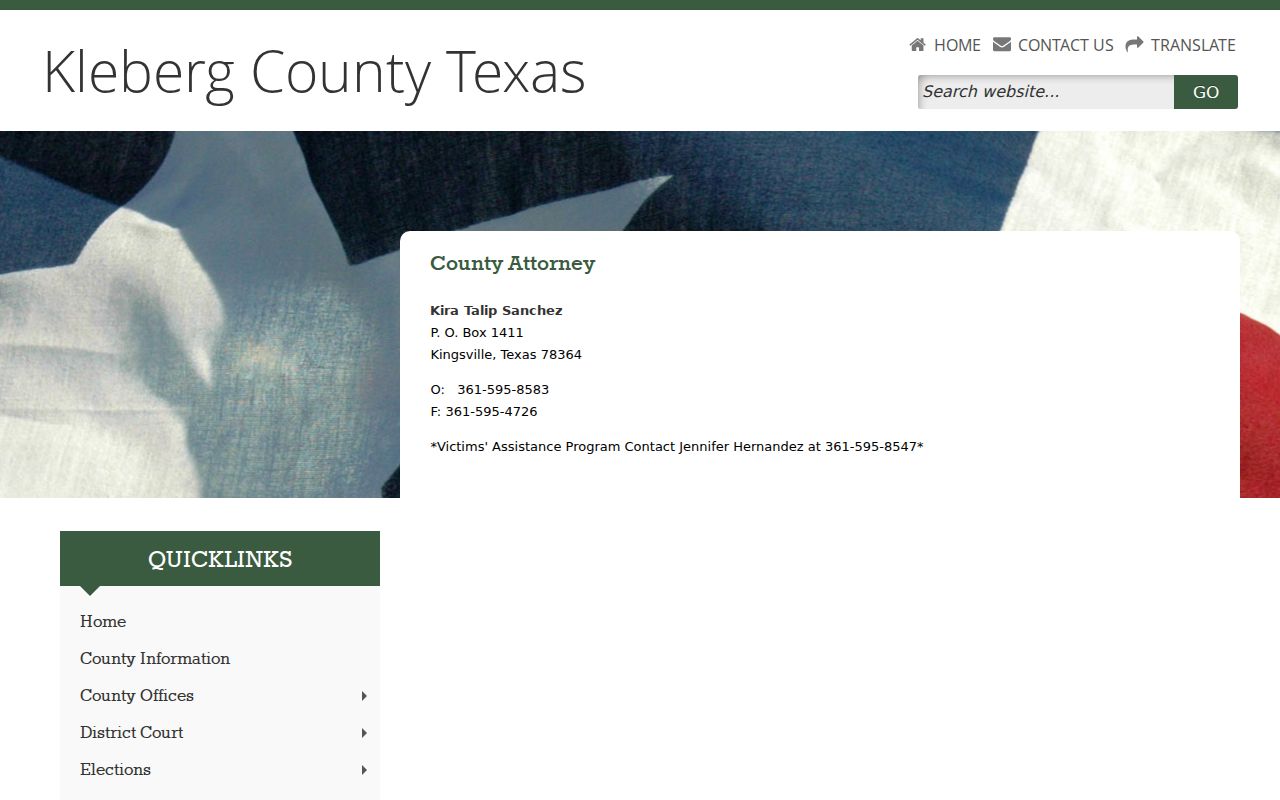
The court clerk, rather than the prosecutor, remains the place to request the filed docket and certified court documents.
Kleberg County Court Layers
Choosing the right court is the first Kleberg County test. A felony indictment belongs in the 105th Judicial District Court file held by the District Clerk. A Class A or B misdemeanor generally belongs in the County Court at Law file held through the County Clerk. Kingsville Municipal Court keeps Class C, traffic, city ordinance, juvenile, and parking matters within its jurisdiction. It is not a court of record, which affects the route if a municipal judgment is appealed.
Both Kleberg County clerks route public work through the courthouse campus, but their mailing addresses and case duties differ. The County Clerk uses P.O. Box 1327 and posts a split counter schedule, from 8:00 to 11:45 a.m. and 1:00 to 4:30 p.m. on weekdays. The District Clerk uses P.O. Box 312. Call before a visit because the research did not find uniform posted counter hours for each court office.
| Court or Office | Kleberg County Criminal Work | Contact |
|---|---|---|
| 105th District Court | Felony prosecutions | 361-595-8533 |
| District Clerk | District felony files and copies | 361-595-8561 |
| County Court at Law | Class A/B misdemeanors and appeals | 361-595-8568 |
| County Clerk | County criminal indexes and records | 361-595-8548 |
| Kingsville Municipal Court | Class C and city matters | 361-592-8566 |
Searching Kleberg County Case Records
Begin with the court level, not a broad name query. The Kleberg County Clerk advertises online criminal and probate records from September 1987 forward. Felony files, older records, archived documents, and any result missing from the county portal require direct help from the District Clerk or the proper custodian. A search index may show a case header while omitting document images. A certified copy must still come from the clerk.
- Decide whether the filed charge is a felony, Class A/B misdemeanor, or fine-only local matter.
- Search the Kleberg County portal by the best known name or cause number, then narrow by court and filing year.
- Read the filed charge, status, and disposition as separate fields. Do not substitute the jail intake charge.
- Call the District Clerk for felony access or the County Clerk for a county misdemeanor file that is absent online.
- Order the needed docket, judgment, or certified document from the clerk that holds the case.
The county-endorsed TexasOnlineRecords search is the published online route for Kleberg County misdemeanor records.
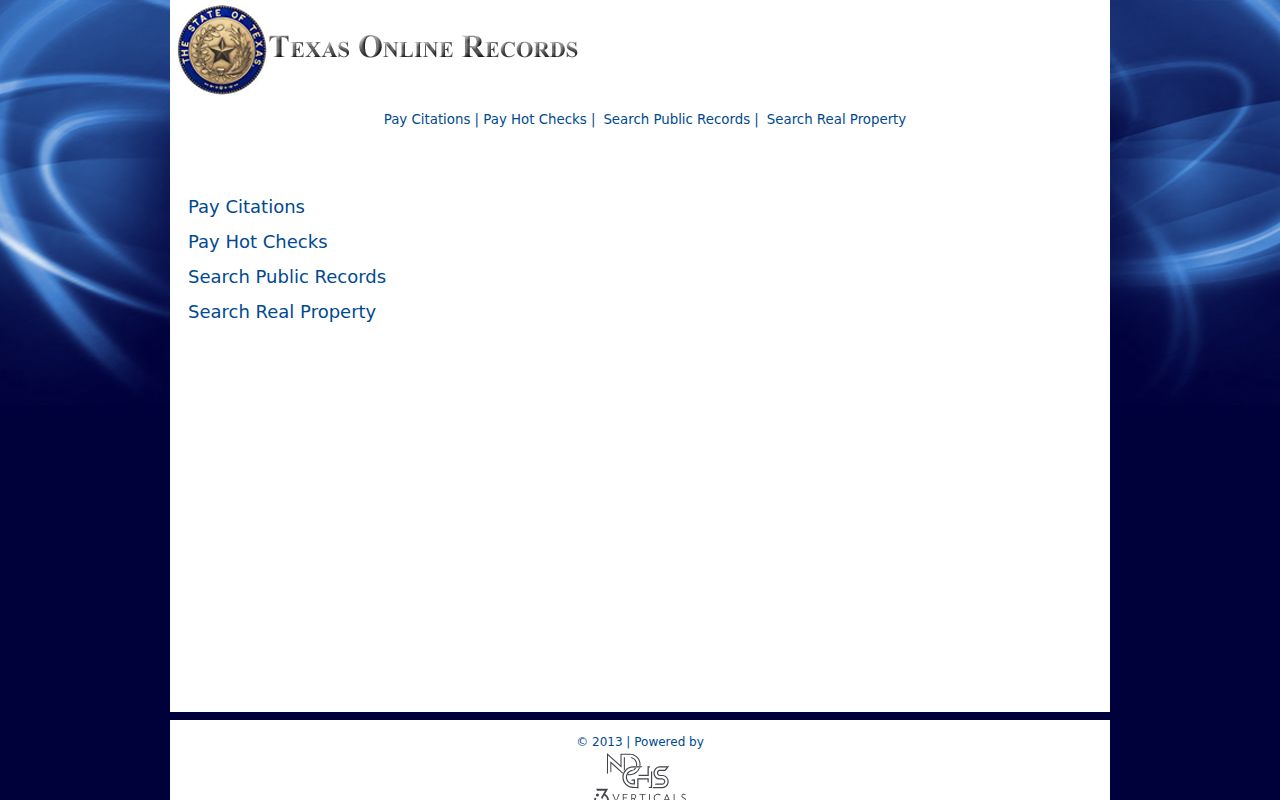
Use the portal as an index, then ask the Kleberg County Clerk for any image, older file, or certification it does not provide.
Kleberg County Misdemeanor Records
The Kleberg County portal's published coverage begins in September 1987. That date is a useful boundary, not a promise that each document image or each old docket event appears online. Search with a cause number when it is known. A name, filing year, court, and charge can help separate similar defendants. If the index is not enough, the County Clerk lists a $10 criminal-record search, paper copies at $1 per page, and certification at $5 per document.
| Search Detail | Use | Need | Local Note |
|---|---|---|---|
| Cause number | Text | Best exact key | Links the request to one docket |
| Defendant name | Text | Search route | Check spelling and aliases |
| Filing year | Date filter | Optional | Narrows older county results |
| Court | Case filter | Advisable | Separates county and district work |
| Case status | Result field | Review | Read with the disposition |
Note: Certification proves the clerk issued the copy; it does not prove that a same-name result identifies the right person.
Inside a Kleberg County Case File
A criminal court file tells the story of the filed prosecution. Its core fields include the cause number, court, filing date, charge, case status, docket events, plea, judgment, and sentence. It may also show counsel, bond filings, settings, orders, fines, costs, restitution, and a motion to revoke or adjudicate. These are court facts. A jail booking number or charge at intake belongs to a different record layer.
Read the cause number, charge, and disposition together. “Filed” and “pending” describe stages, not guilt. A dismissal ends a charge without a conviction, while an acquittal is a not-guilty outcome. Deferred adjudication is distinct from a conviction, though Texas permits public DPS dissemination unless a nondisclosure order applies. A document image may be absent even when its docket entry is public.
| Cause Number and Court | Identifies the filed Kleberg County case and the court with custody. |
|---|---|
| Charging Document | Shows the complaint, information, or indictment and the filed offense. |
| Docket Events | Lists filings, settings, motions, pleas, and court action in date order. |
| Bond and Hearings | May show bond instruments, hearing dates, and attorney appearances. |
| Disposition and Judgment | States whether the charge was convicted, dismissed, acquitted, deferred, or otherwise resolved. |
| Sentence and Conditions | Can state confinement, community supervision, fines, costs, and restitution. |
Kleberg County Cases and re:SearchTX
Texas operates re:SearchTX as an electronic case and document access channel. Yet the Texas Judicial Council reported that its large collection excludes criminal case records. It is not a complete statewide criminal-trial search for Kleberg County. A missing result there does not show that no criminal case exists. Kleberg County clerks remain the key record custodians.
The official re:SearchTX access page can help explain the statewide electronic court layer.
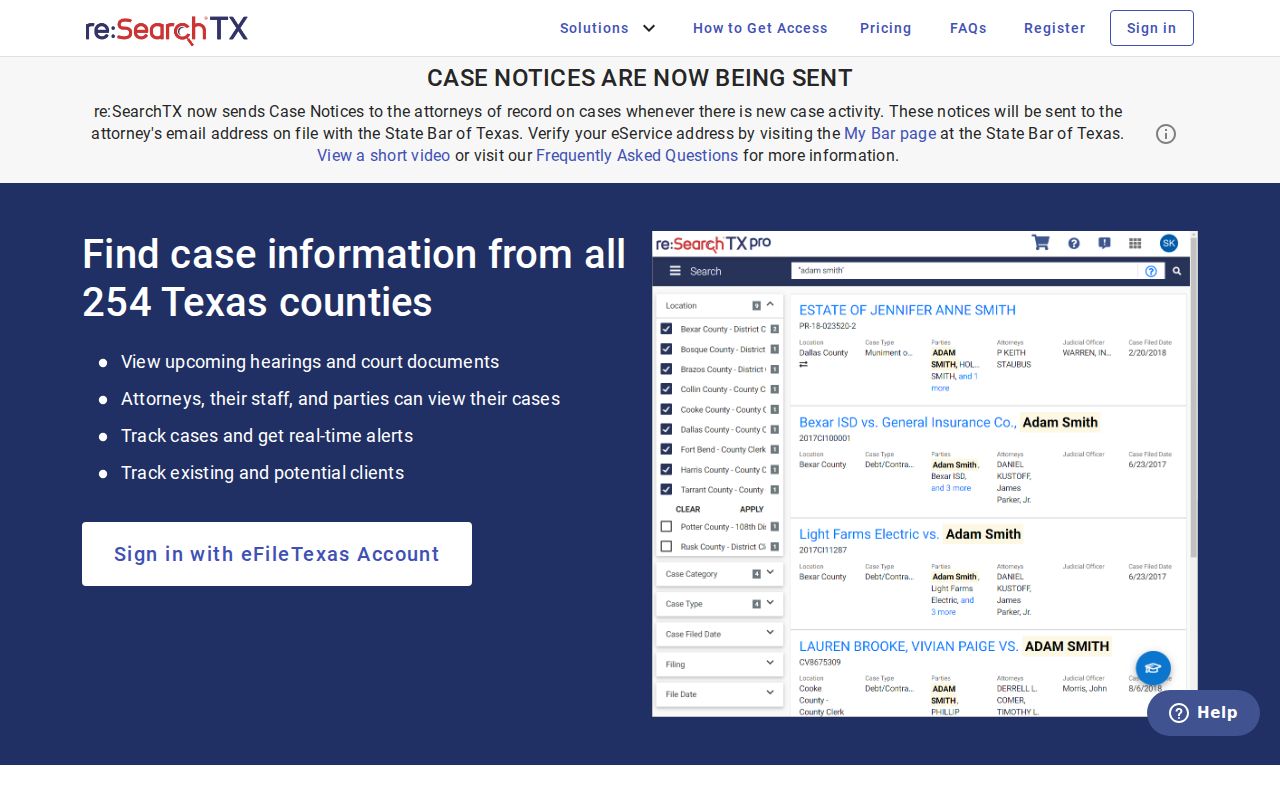
For a Kleberg County felony or a portal gap, confirm the record with the District Clerk instead of treating a state search miss as final.
How a Criminal Case Moves
A Kleberg County criminal case can start with an arrest or citation. A magistrate then handles warnings, probable cause, counsel, and bond issues. The prosecutor screens the allegations. A misdemeanor may proceed by complaint or information, while a felony generally proceeds through a grand jury indictment. Arraignment takes the plea. Discovery and pretrial motions come before a negotiated plea or trial, then the court enters the judgment and sentence.
Case flow: Charges Filed → Arraignment → Pretrial → Plea or Trial → Disposition → Sentencing
The filed charge can differ from the charge listed at booking. The prosecutor's instrument and the final judgment show what the court actually addressed. A disposition is the outcome of a charge. It may be a conviction, dismissal, acquittal, deferred adjudication, or another recorded result.
Kleberg County Criminal Docket Terms
Short docket labels can carry a great deal of weight. Read each term with the charge and the date. A pending case has not reached a final outcome. A dismissal ends that charge without a conviction but does not, by itself, erase an earlier booking. Deferred adjudication is community supervision without an immediate finding of guilt, although Texas may still make it public unless a nondisclosure order applies.
Bond is security and a set of conditions meant to ensure a return to court. An indictment is not a conviction. It means a grand jury found enough cause for a felony charge to proceed. A motion to revoke or adjudicate signals that alleged supervision issues have returned to court, so the final event and judgment must be checked.
- Arraignment
- The hearing at which the accusation is read and a plea is taken.
- Indictment
- A grand jury's felony charging instrument.
- Information
- A prosecutor-filed charging instrument often used for misdemeanors.
- Disposition
- The recorded outcome of one charge.
- Capias
- A court order directing that a person be taken into custody.
Kleberg County Plea Records
Kleberg County's District Attorney publishes local felony plea and revocation admonishment packets. The plea packet makes clear that sentencing and community-supervision conditions remain decisions for the judge. The revocation packet addresses a different stage, when alleged supervision violations bring a case back before the court. A TechShare Defense discovery link serves counsel and is not the public court portal.
The Texas court rules and standards source provides the broader access framework for court records.
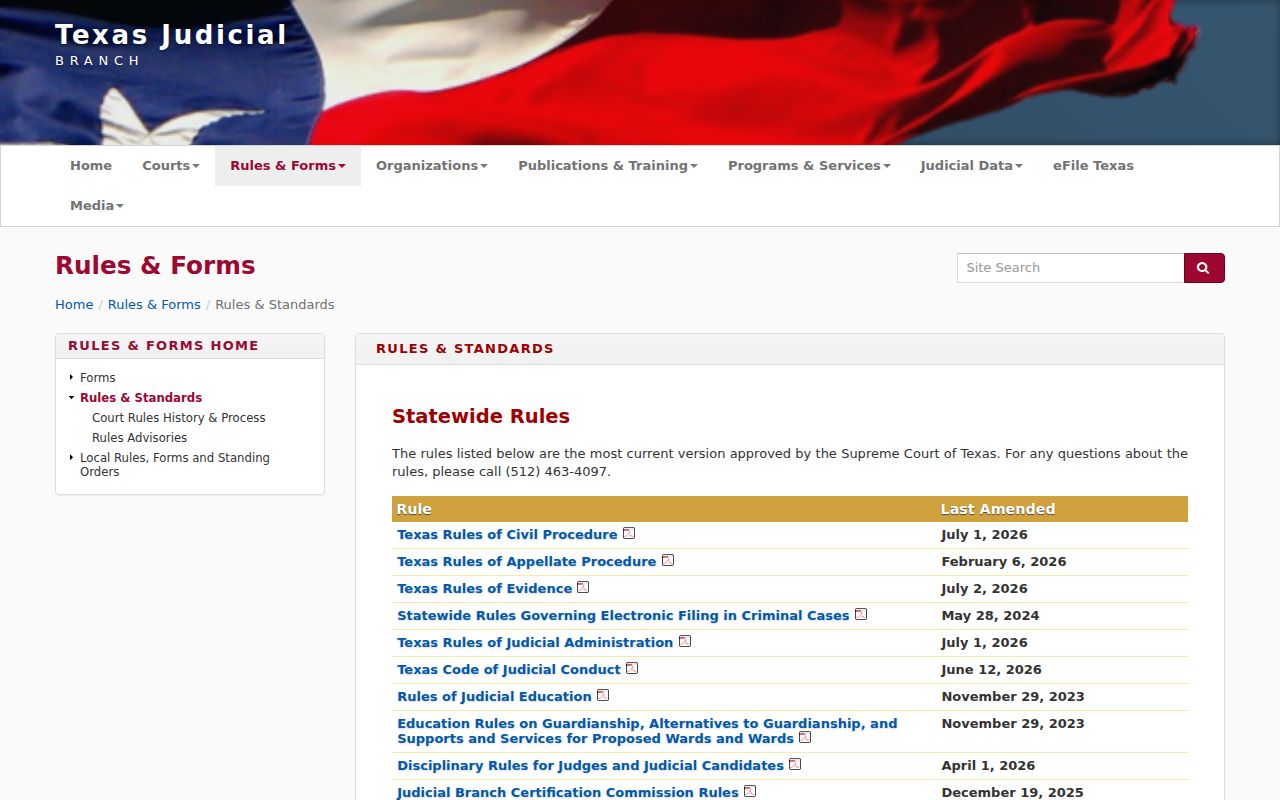
Local docket access still depends on the clerk, court rules, sealing law, and the type of document requested.
Case Record Access & Restrictions
Public access does not mean that every field is visible online. Social Security numbers, protected birth dates and addresses, victim and minor data, juvenile records, and sealed or expunged files are restricted or redacted. The Texas Public Information Act governs many agency records, but court clerks apply court-record rules to judicial files. Government Code Chapter 411 also limits criminal-history dissemination by DPS. Federal cases are outside Kleberg County court custody, and the official PACER service is the federal docket channel.
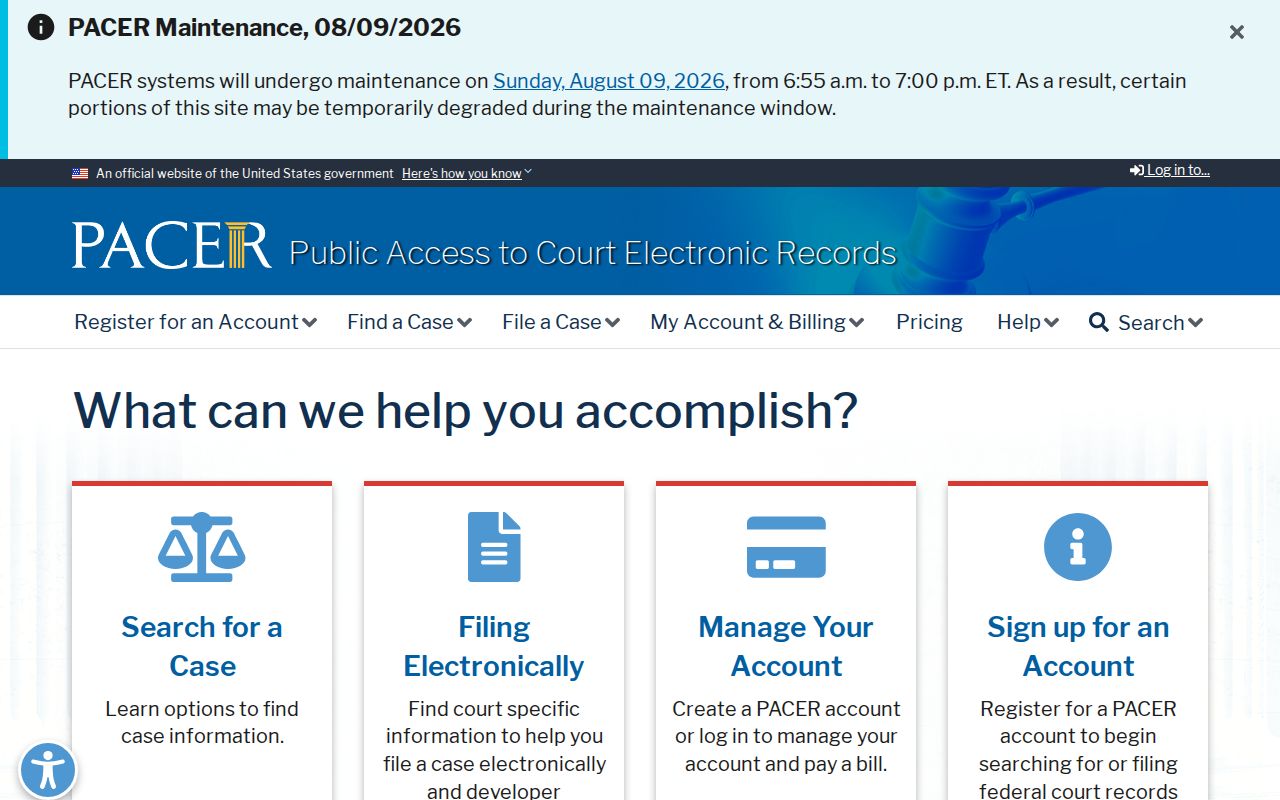
A PACER record should not be confused with a Kleberg County clerk file.
The Southern District of Texas court source identifies the federal court system serving the region.
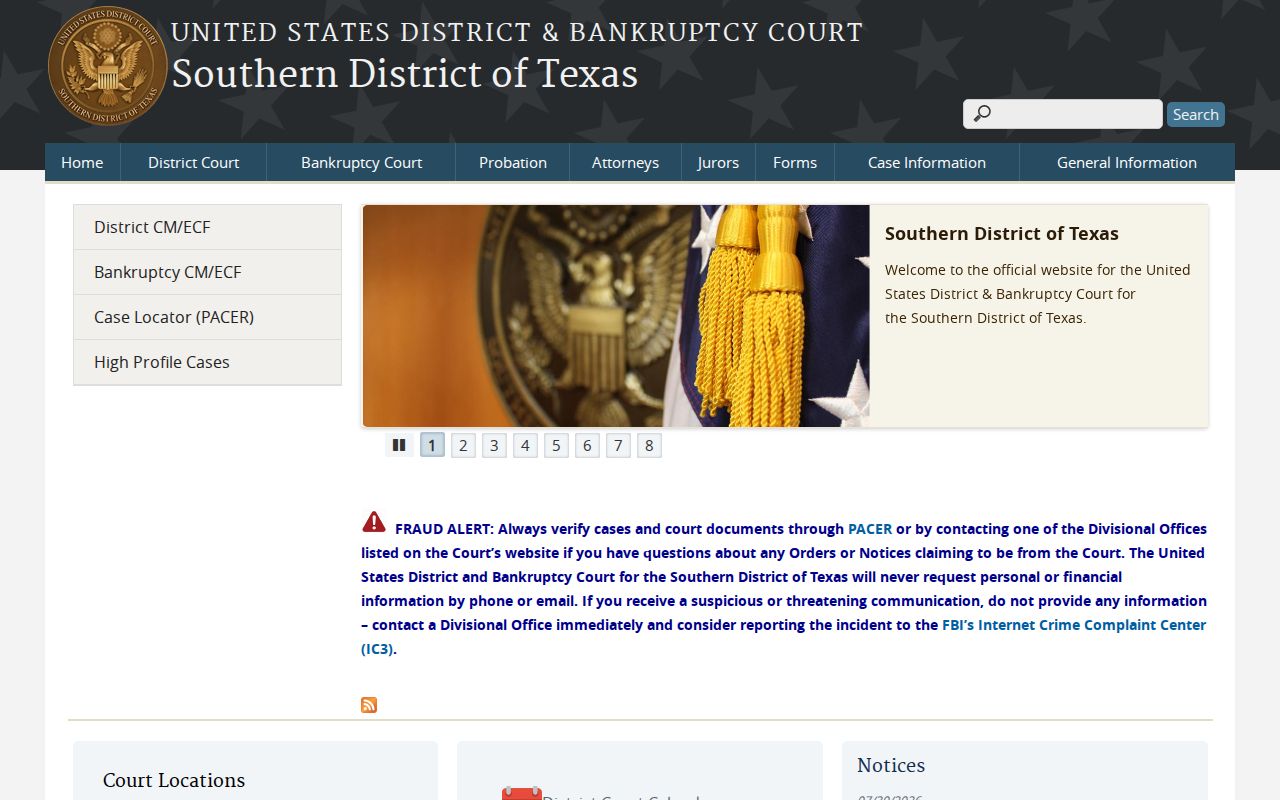
When the prosecution is federal, the county portal and Kleberg County clerks are not the record custodians.